
News
Aging Buildings, New Opportunities: How Repositioning Is Reshaping Commercial Real Estate
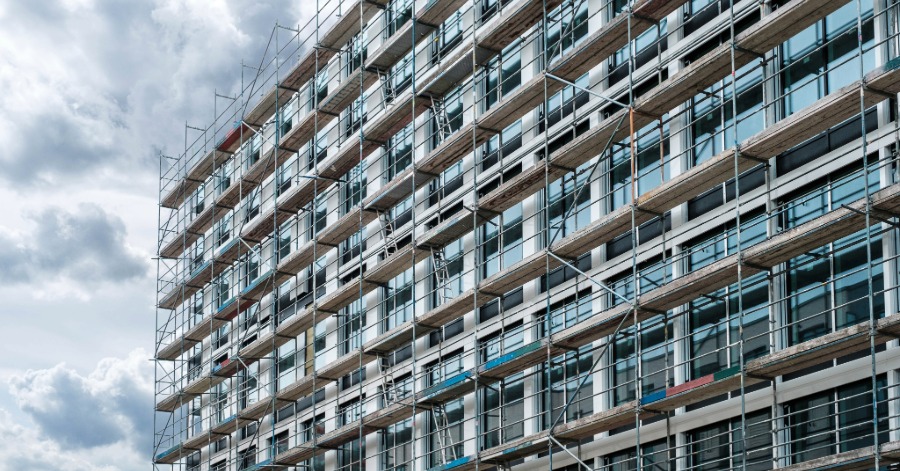
Commercial real estate across the United States is entering a period of significant change.
With the average commercial building now more than 30 years old, many properties were designed for a different era—one with different tenant expectations, operating costs, workplace needs, and energy standards. As these buildings age, owners and investors are increasingly evaluating whether to renovate, reposition, or redevelop them.
Rather than viewing older properties solely as liabilities, many market participants are beginning to see them as opportunities.
Why Aging Commercial Buildings Matter
An older building may still occupy a strong location, serve an established market, or offer structural features that would be expensive to reproduce today. However, age can also create challenges.
Common concerns include outdated mechanical systems, inefficient layouts, deferred maintenance, higher utility expenses, and amenities that no longer align with what tenants expect.
These issues can affect more than a property’s appearance. They may influence tenant retention, leasing velocity, operating performance, insurance costs, financing decisions, and long-term value.
For owners, the key question is no longer simply whether a building is old. It is whether the property can be adapted to remain competitive.
Renovation Versus Repositioning
Renovation typically focuses on improving the physical condition of a property. This may include replacing building systems, updating common areas, refreshing finishes, improving accessibility, or repairing the exterior.
Repositioning is broader.
A repositioning strategy may change how a property is perceived, used, marketed, or operated. It can include renovations, but it may also involve:
- Reconfiguring floor plans
- Introducing new amenities
- Updating the tenant mix
- Improving branding and signage
- Changing the use of part or all of the property
- Enhancing energy performance
- Modernizing technology and building access
- Creating more flexible or collaborative spaces
The goal is not simply to make the building look newer. It is to improve its relevance within the market.
Energy Efficiency Is Becoming a Strategic Priority
Energy-efficiency improvements are increasingly central to commercial property decisions.
Older buildings may have inefficient HVAC systems, outdated lighting, poorly insulated envelopes, or limited energy-management capabilities. Addressing these issues can help reduce operating costs while improving occupant comfort and property performance.
Potential upgrades may include:
- High-efficiency HVAC equipment
- LED lighting and occupancy controls
- Improved insulation and glazing
- Smart building-management systems
- Water-saving fixtures
- Solar or other on-site energy solutions
- Updated roofing and exterior systems
The right improvements depend on the property, its location, its intended use, and the owner’s investment strategy. Not every upgrade will produce the same return, which makes careful evaluation essential.
Changing Tenant Expectations
Tenant expectations have also evolved.
Businesses increasingly look for properties that support employee experience, operational flexibility, wellness, technology, and convenience. Depending on the asset class, that may mean better common areas, upgraded outdoor space, modern conference facilities, improved loading and access, stronger connectivity, or more adaptable layouts.
A building that once competed primarily on location and rental rate may now need to offer a more complete experience.
This does not mean every older property requires a full-scale redevelopment. In many cases, targeted improvements can meaningfully strengthen a building’s position without changing its fundamental character.
The Portfolio-Level Impact
For investors and portfolio managers, aging buildings create strategic decisions across multiple assets.
Some properties may justify significant capital investment. Others may be better suited for selective improvements, a change in use, a sale, or a longer-term redevelopment plan.
A thoughtful portfolio review can help identify:
- Assets with strong repositioning potential
- Properties facing growing functional obsolescence
- Buildings where operating costs are eroding performance
- Locations where market demand supports reinvestment
- Opportunities to create value through renovation or adaptive reuse
- Assets that may no longer fit the broader investment strategy
The most effective decisions are grounded in both property-level conditions and wider market dynamics.
Older Properties Can Still Compete
Age alone does not determine the future of a commercial building.
A well-located property with strong fundamentals may have substantial potential, especially when improvements are aligned with market demand. In some cases, renovating an existing asset can preserve its character, shorten development timelines, and make use of infrastructure that is already in place.
The opportunity lies in understanding what the property can become—and whether the investment required is supported by its market position.
Looking Ahead
As more commercial buildings reach a point where major systems, layouts, and amenities need attention, renovation and repositioning will continue to shape the commercial real estate landscape.
Owners who evaluate their properties proactively may be better positioned to control costs, respond to tenant expectations, and uncover new sources of value.
At Newcor CRE, we closely monitor the trends influencing commercial property performance, redevelopment, and investment strategy. Aging buildings may present challenges, but with the right plan, they can also create meaningful opportunities.
Is your property positioned for its next chapter? Contact Newcor CRE to discuss renovation, repositioning, and long-term real estate strategy.
When you subscribe to the blog, we will send you an e-mail when there are new updates on the site so you wouldn't miss them.
Newcor Commercial Real Estate is a full-service commercial real estate company headquartered in The Woodlands, TX.
With a focus on Brokerage, Development, and Investments, Newcor consistently delivers exceptional results for its Clients and Partners.
Woodlands Imagery Courtesy of Derrick Bryant Photography
 Scan Our QR Code to Get Your Free Office Lease Analysis!

- 281.210.3090
- info@newcorcre.com
- 2170 Buckthorne Pl, Suite 150 The Woodlands, TX 77380